


Understanding Gynaecomastia: Breaking Down the Misunderstood Condition
Understanding Gynaecomastia: Breaking Down the Misunderstood Condition
Hey Dapper Gentlemen,
Gynaecomastia—a term that might sound unfamiliar to many, yet it’s a condition that affects a significant number of men worldwide. Despite its prevalence, there remains a considerable lack of understanding and awareness surrounding this issue. In this blog post, we’ll delve into the intricacies of gynaecomastia, exploring its causes, symptoms, available treatment options, and the societal stigma it often entails.
•┈┈┈••✦ ♡ ✦••┈┈┈•
What is Gynaecomastia?
Gynaecomastia refers to the development of enlarged breast tissue in males. It stems from an imbalance in hormones, specifically an increase in estrogen or a decrease in testosterone levels. This hormonal imbalance can occur at various stages of life, from infancy to adulthood, and it affects individuals differently.
Understanding the Causes
The causes of gynaecomastia can be multifaceted. In adolescents, hormonal fluctuations during puberty often trigger temporary breast tissue enlargement, which typically resolves on its own within a few years. However, in some cases, gynaecomastia persists into adulthood.
In adults, gynaecomastia may be linked to several factors, including hormonal imbalances, certain medications (such as anabolic steroids or anti-androgens), underlying medical conditions (like hypogonadism or liver disease), and lifestyle choices.
•┈┈┈••✦ ♡ ✦••┈┈┈•
Recognizing the Symptoms
Identifying gynaecomastia involves recognizing the physical manifestations associated with the condition. These may include:
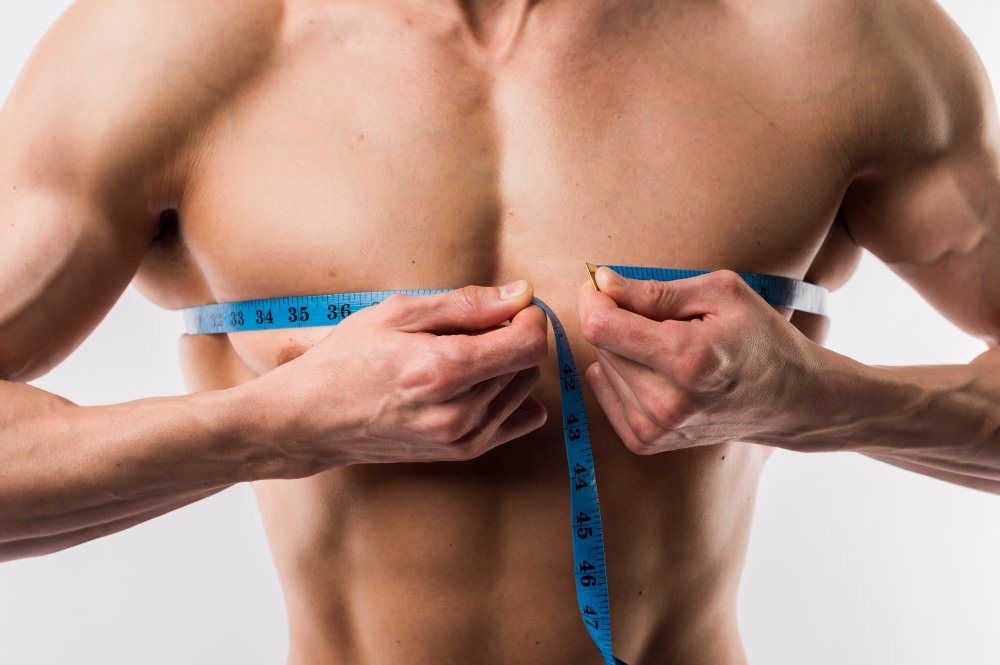
- Enlarged Breast Tissue: The most apparent symptom is the enlargement of one or both breasts, often resulting in a soft or rubbery mass beneath the nipple area.
- Tenderness or Sensitivity: Gynaecomastia can cause tenderness or sensitivity in the affected breast tissue, which may be accompanied by discomfort or pain.
- Changes in Breast Appearance: The breasts may appear asymmetrical or uneven, with noticeable differences in size and shape compared to the surrounding chest area.
Addressing the Stigma
Despite being a relatively common condition, gynaecomastia is often accompanied by stigma and misconceptions. Men may feel embarrassed or emasculated by the presence of enlarged breast tissue, leading to feelings of self-consciousness and low self-esteem. It’s crucial to challenge these societal norms and foster a more supportive and understanding environment for individuals affected by gynaecomastia.
•┈┈┈••✦ ♡ ✦••┈┈┈•
 Treatment Options
Fortunately, several treatment options are available for managing gynaecomastia:
- Lifestyle Changes: In some cases, lifestyle modifications such as weight loss, regular exercise, and avoiding substances like alcohol and drugs can help alleviate gynaecomastia symptoms, particularly if they are related to excess body fat or substance-induced hormonal imbalances.
- Male Cosmetic Surgery: Cosmetic surgical procedures such as liposuction or mastectomy offer long-term solutions for individuals with persistent gynaecomastia. These surgeries not only reduce breast size but also enhance chest contour, restoring confidence and improving the quality of life for many men.
- Surgical Intervention: For severe or persistent cases of gynaecomastia, surgical intervention may be necessary. Procedures such as liposuction or mastectomy (removal of breast tissue) can effectively reduce breast size and improve chest contour.
•┈┈┈••✦ ♡ ✦••┈┈┈•
Conclusion
Gynaecomastia is a complex and often misunderstood condition that can have significant physical and psychological effects on affected individuals. By increasing awareness, promoting understanding, and offering support, we can work towards destigmatizing gynaecomastia and ensuring that those affected receive the care and compassion they deserve. If you or someone you know is experiencing symptoms of gynaecomastia, don’t hesitate to seek medical advice and explore the available treatment options. Together, we can strive towards a more inclusive and supportive society for all.
•┈┈┈••✦ ♡ ✦••┈┈┈•
Here’s to embracing authenticity, confidence, and self-expression – because every man deserves to look and feel his best.
•┈┈┈••✦ ♡ ✦••┈┈┈•
With warm regards and encouragement,
Team Dr Antonios Mitsakos ❤️️️✨