




Sculpting Success: How Plastic Surgeons Help Patients Combat Stubborn Fat
Join us as we dive into the world of plastic surgery
•┈┈┈••✦ ♡ ✦••┈┈┈•

Understanding Stubborn Fat
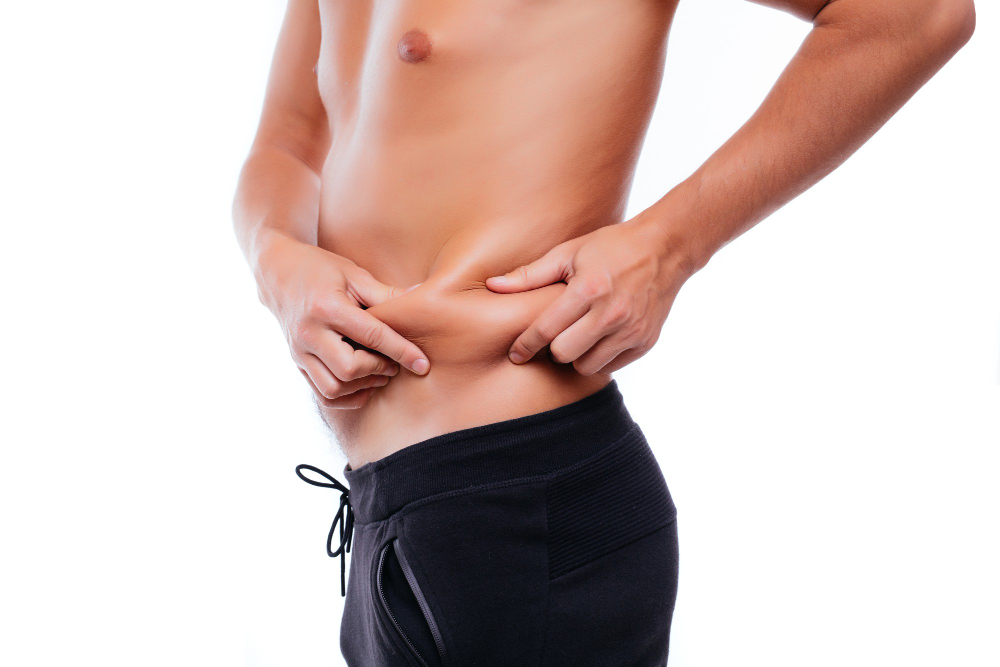
Stubborn fat is not a figment of imagination; it’s a physiological reality. Certain areas of the body, such as the abdomen, thighs, and flanks, are prone to retaining fat due to a higher concentration of alpha-2 receptors, which inhibit fat breakdown. Hormonal factors and genetic predispositions further complicate this issue, making it challenging to eliminate these fat deposits through conventional means.
The Role of Diet and Exercise
Before considering surgical interventions, it’s crucial to emphasize the importance of a balanced diet and regular exercise. Encourage your patients to adopt a healthy lifestyle, focusing on nutrient-dense foods and incorporating both cardiovascular and strength training exercises. While these efforts might not completely eliminate stubborn fat, they lay the groundwork for a healthier body and mind, making any subsequent treatments more effective.
•┈┈┈••✦ ♡ ✦••┈┈┈•
Liposuction: The Gold Standard
Liposuction remains one of the most popular and effective surgical options for removing stubborn fat. This procedure involves the use of a cannula to suction out fat cells from targeted areas. Techniques such as tumescent liposuction, ultrasound-assisted liposuction (UAL), and laser-assisted liposuction (LAL) have refined the process, offering improved precision and reduced recovery times.
•┈┈┈••✦ ♡ ✦••┈┈┈•
Key Benefits of Liposuction:
– Targeted Fat Removal: Allows for precise contouring of problem areas.
– Immediate Results: Patients can see a noticeable difference shortly after the procedure.
– Long-lasting Effects: As long as patients maintain a stable weight, the results can be permanent.
Preparing for Liposuction
Preparation is a crucial step in ensuring a successful liposuction procedure. Patients should undergo a thorough medical evaluation to determine their suitability for the surgery. It’s essential to discuss the patient’s medical history, current medications, and any previous surgeries to identify potential risks. Additionally, patients should be advised to stop smoking and avoid certain medications, such as aspirin and anti-inflammatory drugs, which can increase bleeding.
Setting Realistic Expectations
It’s important to set realistic expectations for patients considering liposuction. While the procedure can significantly improve body contours, it is not a substitute for weight loss or a solution for obesity. Patients should understand that liposuction is designed to target localized fat deposits and is most effective when combined with a healthy lifestyle.
•┈┈┈••✦ ♡ ✦••┈┈┈•
The Liposuction Procedure
Liposuction is typically performed under general anaesthesia or local anaesthesia with sedation, depending on the extent of the procedure and the patient’s preferences. The surgeon makes small incisions in the targeted areas and inserts a thin tube called a cannula. The cannula is used to loosen and suction out the fat cells, sculpting the body to the desired shape.
Post-Operative Care
Post-operative care is crucial for a smooth recovery and optimal results. Patients should expect some swelling, bruising, and discomfort in the treated areas, which can be managed with prescribed pain medication and compression garments. It’s essential to follow the surgeon’s instructions regarding activity restrictions, wound care, and follow-up appointments.
Recovery Timeline
The recovery timeline varies depending on the extent of the procedure and the patient’s individual healing process. Most patients can return to work and light activities within a week, but strenuous activities should be avoided for at least four to six weeks. Full results may take several months to become apparent as the swelling subsides and the body adjusts to its new contours.
•┈┈┈••✦ ♡ ✦••┈┈┈•
 The Importance of Patient Education and Realistic Expectations
As a plastic surgeon, educating your patients about the limitations and potential outcomes of each treatment is crucial. Ensure they understand that while these procedures can significantly improve their body contours, maintaining a healthy lifestyle is essential for sustaining long-term results. Setting realistic expectations will not only increase patient satisfaction but also foster trust and confidence in your expertise.
Long-Term Maintenance
Maintaining the results of liposuction requires a commitment to a healthy lifestyle. Patients should be encouraged to continue with regular exercise and a balanced diet to prevent the recurrence of fat deposits. Periodic follow-up appointments can help monitor progress and address any concerns that may arise.
•┈┈┈••✦ ♡ ✦••┈┈┈•
Conclusion
Helping patients combat stubborn fat requires a multifaceted approach, combining the latest surgical techniques and a commitment to healthy living. By staying informed about the advancements in body contouring procedures and fostering a supportive patient-doctor relationship, you can empower your patients to achieve their body goals and enjoy a renewed sense of confidence. Sculpting success, one patient at a time, is not just a goal—it’s a promise we make to those who entrust us with their transformation.
•┈┈┈••✦ ♡ ✦••┈┈┈•
Transforming lives, one contour at a time
•┈┈┈••✦ ♡ ✦••┈┈┈•
Much love and fabulousness,
Team Dr Antonios Mitsakos ❤️️❤️️✨